What to sell on Etsy: digital and physical product ideas
Explore digital and physical product concepts, compare the work each model requires, and choose a focused idea to test.
Eight concepts with a reason to exist
An Etsy product idea becomes more useful when you can identify the moment of purchase and a specific feature the buyer needs. These concepts are hypotheses to investigate, not verified bestsellers.

| Buyer’s situation | Product to investigate | Feature worth building |
|---|---|---|
| Running a neighbourhood fundraiser | Editable bake-sale signs and labels | Prices that can be updated quickly; readable labels |
| Handing pets over to a sitter | Multi-pet care handover sheets | Separate feeding routines and emergency contacts |
| Selling at a weekend market | Stock and packing workbook | Opening stock, sales, and remaining quantities reconcile |
| Hosting a children’s party | Original treasure-hunt kit | Separate indoor and outdoor clue routes with an answer key |
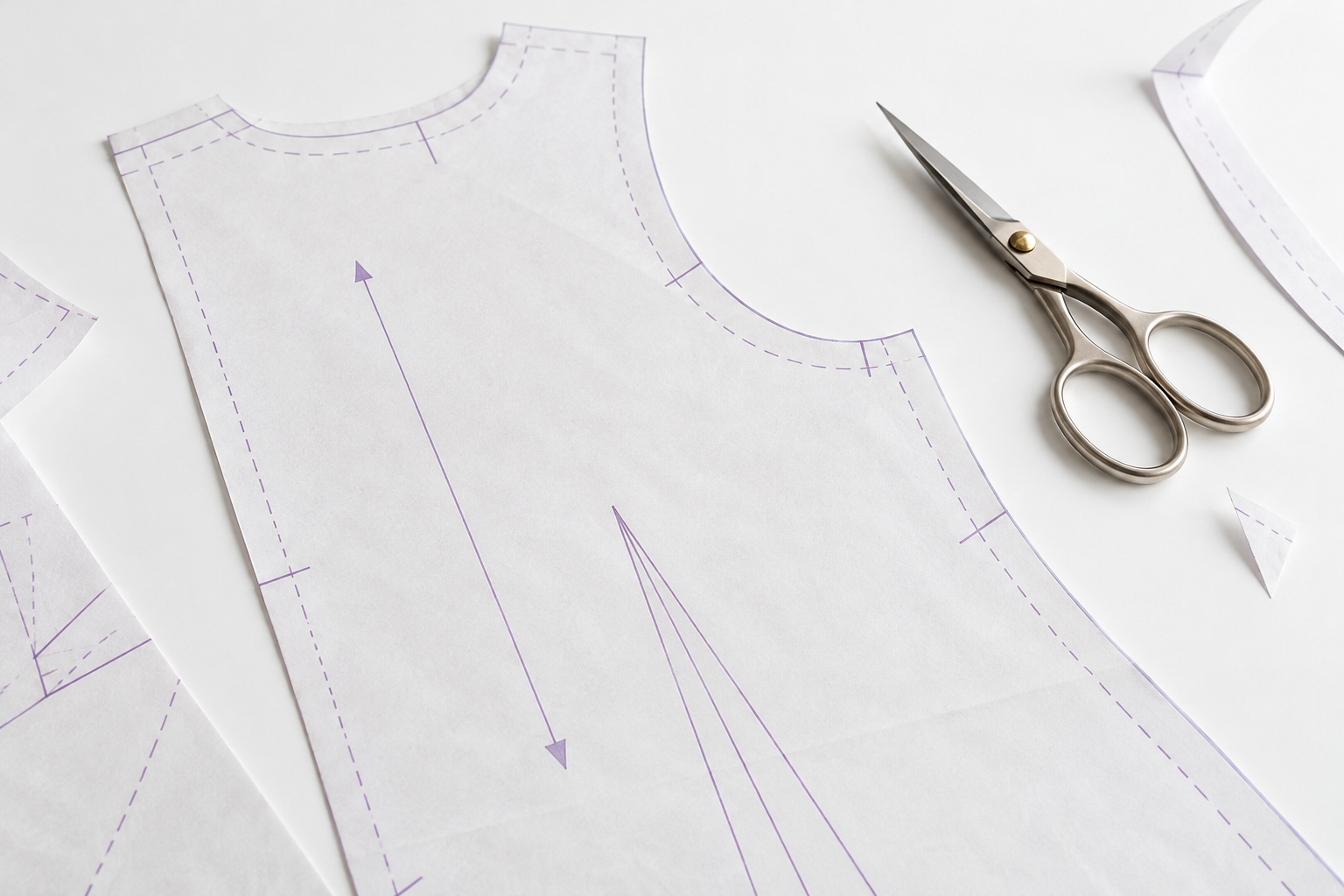
| Teaching introductory embroidery | Stitch-practice sheets | Original diagrams and a numbered practice sequence |
| Moving between homes | Printable packing labels | Box numbers, destination room, and unpack-first markers |
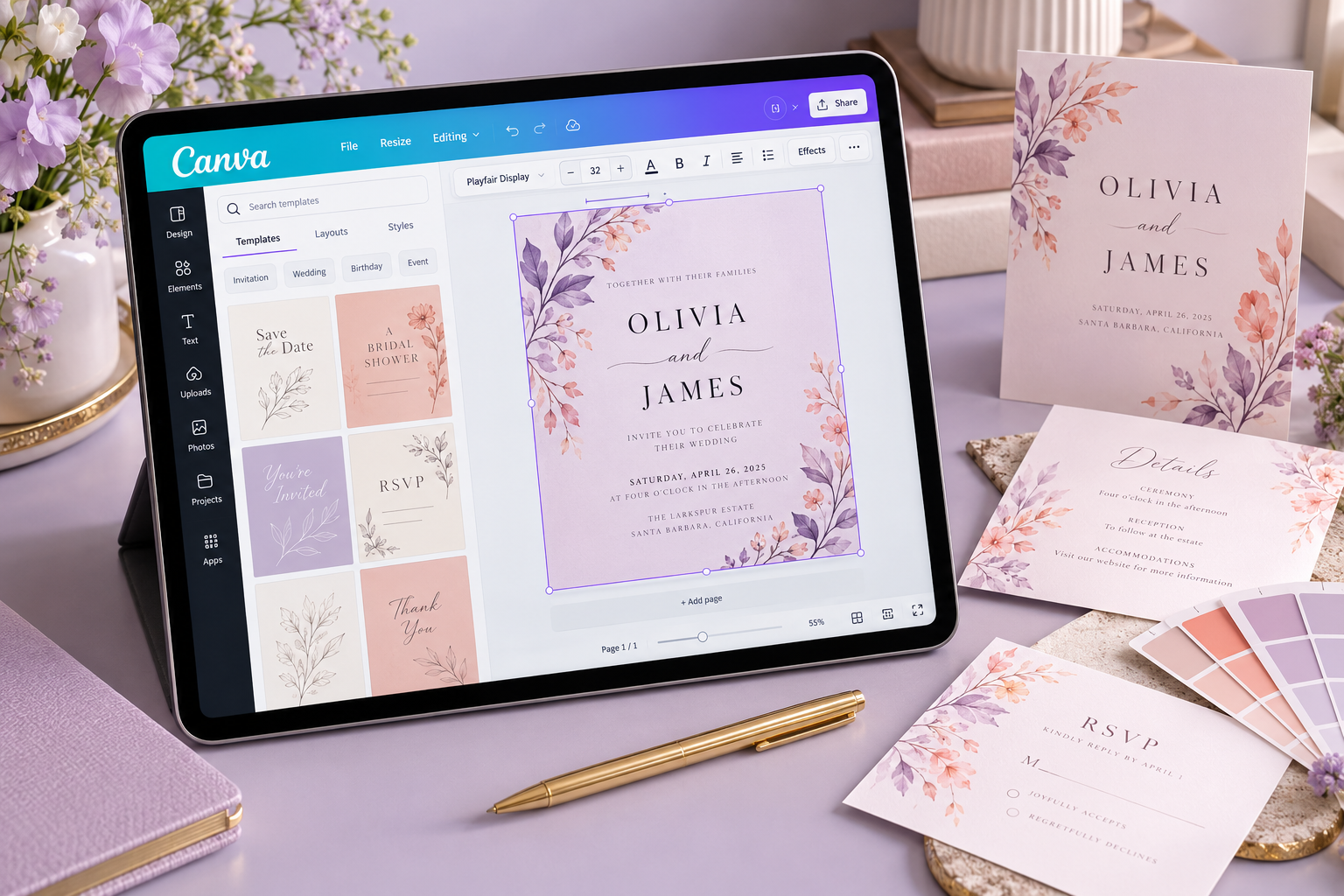
| Planning a wedding meal | Editable place and meal-choice cards | Long names fit; meal choices are visible to servers |
| Tracking a hobby collection | Collection inventory spreadsheet | Duplicates and storage location are easy to find |
Find the product gap inside the category
For the packing labels, investigate the difference between “moving labels” and “numbered moving labels with inventory.” The second describes a system: a box number links the label to its contents. Your product could include the labels and a matching index instead of adding unrelated decorative pages.
Search both phrases on Etsy. Record the included files, stated sizes, editability, and recurring complaints in relevant reviews. A complaint about illegible text suggests a testable improvement; a dislike of colour alone may be personal taste.
Keep evidence and guesses in separate columns
| What you found | What it supports | What it does not prove |
|---|---|---|
| Several sellers offer a similar item | A recognisable product category exists | Your version will sell |
| Reviews repeatedly mention a missing feature | A possible usability gap | Enough buyers will pay for that feature |
| Many search results | Competition under that phrase | Current search volume or recent sales |
Write down the source of each observation. Do not turn a visible review count into an estimate of today’s demand: it may reflect a long history or a broader product range.
Choose the idea you can improve and test
For each shortlisted concept, answer: What would the buyer do with it? Which part could fail? Can I ask someone to try that exact task? The stock workbook needs correct reconciliation; the treasure hunt needs clues children can actually follow.
Prefer the concept where you can verify the promised benefit. Reject a design whose appeal depends on a franchise character or trademark you lack permission to use.
Turn a category into a product brief
Use four fields: buyer, moment, deliverable, and useful difference. “Wedding printables” is a category. “Editable meal-choice place cards for a wedding with multiple dietary options” describes a buyer decision and the file that supports it.
That brief produces design requirements: long names must fit, meal markers must be easy to distinguish, and the print size must suit the table setup. It also tells you what not to include. A separate wedding-budget workbook may be useful, but it belongs to a different job.
For each concept in the table above, write one sentence in this format before making artwork. If the useful difference cannot be described without words such as ultimate, perfect, or beautiful, the brief needs more work.
Investigate demand without pretending to know sales
Open several relevant listings and record their contents and recent product-related review themes. Distinguish reviews about the specific product from reviews about the seller generally. “Fast communication” gives you less product information than “the label text was too small after printing.”
Search the same concept using the buyer’s task as well as the product name. “Pet sitter instructions” and “pet-care planner” can reveal different offers. The purpose is to understand vocabulary and expectations, not to collect a large list of loosely connected keywords.
Record the observation and your inference separately: “three reviews mention missing multiple-pet fields” is an observation; “a multi-pet version could solve that problem” is an inference. “This niche is guaranteed to sell” is unsupported.
Compare concepts by the work they require
Digital ideas have different production risks. A pattern needs technically correct instructions. A spreadsheet needs reliable calculations. A party activity needs a rehearsal with the intended age group. Choose a product you can test, not merely one you can make look good in a mockup.
| Concept | Smallest useful prototype | Test before expanding |
|---|---|---|
| Treasure-hunt kit | One short route and answer key | Can a child follow the clues without the author explaining them? |
| Market stock workbook | One product list and one market day | Do opening stock minus sales reconcile with remaining stock? |
| Packing-label system | One sheet of labels and a box index | Can another person locate a named item using the labels? |
| Meal-choice place cards | One print sheet with long-name examples | Are names and meal codes readable at the intended size? |
The prototype is an evaluation tool. It need not be the final product customers buy. Use it to find a functional problem before spending time on a large matching collection.
Account for timing and maintenance
An event product may need to be ready well before the event because buyers must personalise and print it. A yearly calendar becomes outdated; an undated tracker does not need a new date edition but still needs usability checks. A spreadsheet may need revision when the supported software changes.
Mark each shortlisted idea as date-sensitive, software-sensitive, or relatively stable. This helps you understand the maintenance workload. Stable does not mean passive: customer questions and broken access links still need attention.
Do not label a product a bestseller, trending, or low-competition without evidence appropriate to that claim. The concepts here are deliberately presented as opportunities to investigate rather than market rankings.
Choose a first concept with a reason you can defend
Complete this sentence: “I will test this idea first because I understand the buyer’s task, can make the required files, and can verify this particular improvement.” If your reason is only “I saw someone making money with it,” you do not yet know whether their audience, costs, and product are comparable to yours.
Keep a second concept in reserve, but do not build both at once before testing either. A narrow test makes the first result interpretable. Save other ideas with their buyer moment and required test so they remain briefs, rather than a folder of attractive unfinished designs.
Physical product ideas with a clear buyer use
Physical products add production, packaging and shipping to the decision. The concepts below are starting points to investigate, not a verified bestseller list. Choose an item whose quality and delivery you can test before publishing.
| Product concept | Specific buyer use | What to validate |
|---|---|---|
| Personalised pet bandanas sewn by you | A made-to-fit accessory for a named pet | Sizing, seam strength, fabric care and time spent personalising. |
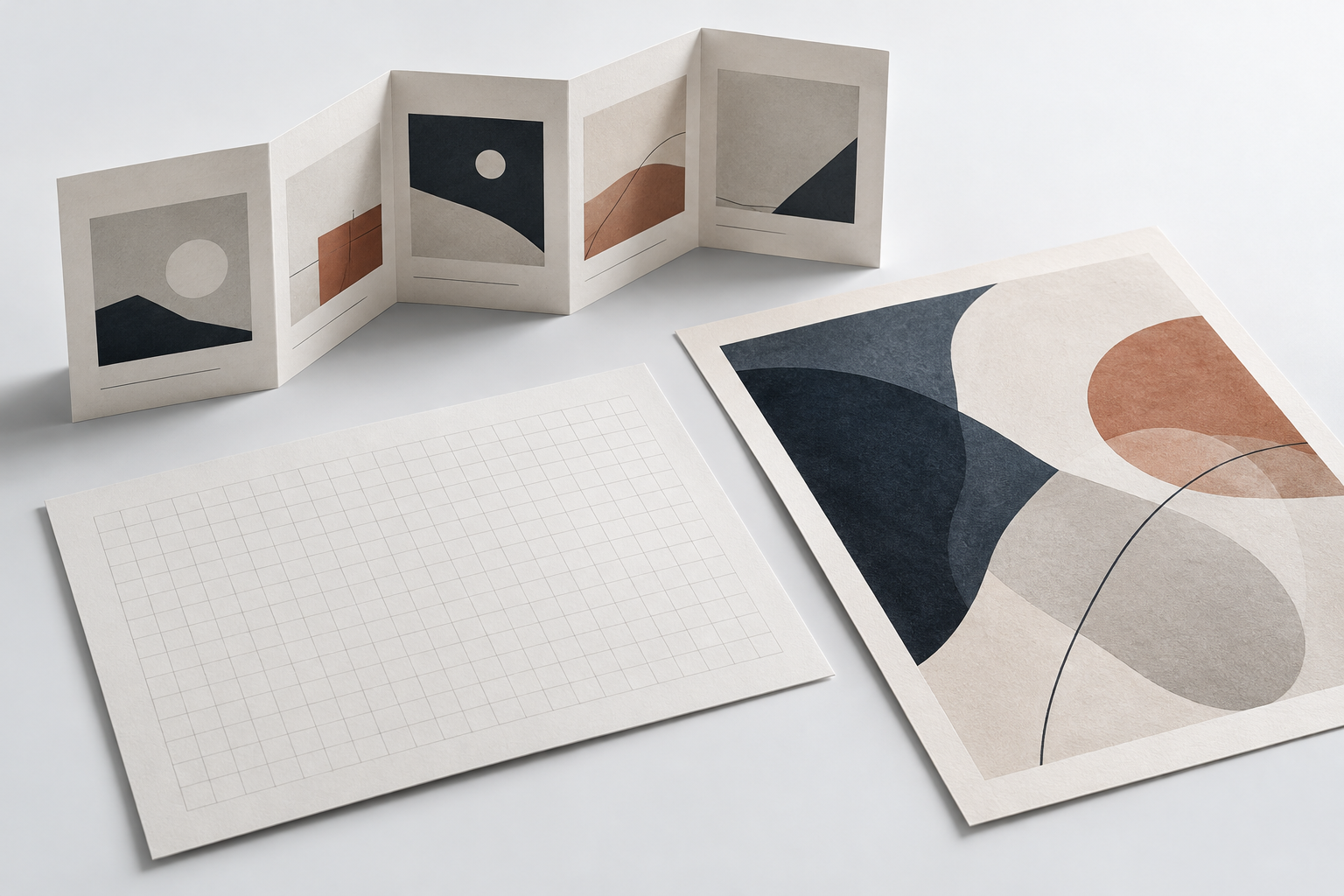
| Original art prints | A coordinated wall-art set in stated dimensions | Colour proof, paper, packaging and damage during delivery. |
| Wedding stationery printed from your own designs | Invitation, RSVP and details cards for one event | Proof approval, spelling, stock, print lead time and replacement process. |
| Handmade zipper pouches | A compact organiser for sewing tools or travel items | Usable capacity, zipper quality, materials and repeatable construction. |
| Original-design POD shirts or tote bags | A design for a specific hobby or occasion | Physical sample, garment measurements, print quality and supplier fulfilment. |
| A craft kit you assemble within Etsy’s permitted categories | Materials for one clearly described creative project | Complete component list, instructions, suitability and applicable safety requirements. |
Etsy requires items to meet its Creativity Standards; listing a physical item does not make ordinary mass-produced resale eligible. Check the rules for your role in making, designing or sourcing it. For your designs made by a production partner, follow the partner-disclosure requirements. Read Etsy’s Creativity Standards before selecting the model.
Compare digital, handmade and print-on-demand offers
| Model | Before the first sale | Work after an order |
|---|---|---|
| Digital download | Create and test the deliverable, instructions and listing. | Access help, compatibility questions and product updates. |
| Handmade physical product | Test construction, materials, packaging and production capacity. | Make or pick the item, package, dispatch and resolve delivery issues. |
| Original-design print on demand | Prepare artwork, order a sample and verify variant mapping. | Fund fulfilment, monitor production and handle customer issues. |
A digital file can be sold repeatedly without making a new physical copy, but support still takes time. Handmade products can offer tactile qualities and customisation, but your production capacity limits volume. POD moves production to a partner while leaving you responsible for the customer-facing promise.
Compare one specific item under each model rather than declaring an entire category easier or more profitable. For physical products, include materials or supplier charges, packing, shipping, fees, acquisition costs and a realistic allowance for remakes. Keep labour time visible alongside contribution per order.
Run a small physical-product test before expanding
- Write the buyer, occasion and exact item specification in a one-page product brief.
- Produce or order one representative sample. Inspect it against the dimensions, materials and finish you will advertise.
- Pack and weigh it using the packaging you intend to use; obtain a shipping quote for the destinations you plan to enable.
- Photograph the actual item and describe variations, personalisation, processing time and what is included.
- Use the fee and profit calculator to test a normal order and an expensive but plausible order.
- Launch a small range and record production time, contribution, buyer questions and delivery outcomes before adding variants.
For example, a personalised bandana is not one unlimited product: size, fabric and name length affect the work. Begin with a manageable set of options and specify any personalisation limits in the listing. If the economics depend on every order taking less time than your sample did, revise the offer before growing it.